Barranquilla
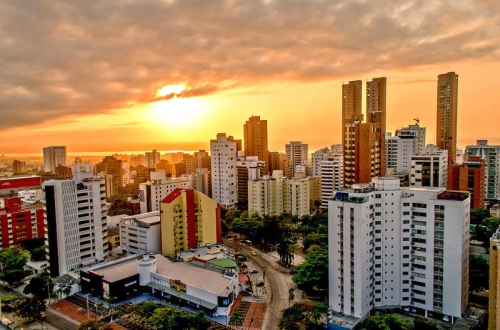
Geography and Location: Barranquilla, officially known as the Special, Industrial, and Port District of Barranquilla, is the capital of the Atlántico department in Colombia. It is located on the western bank of the Magdalena River, about 7.5 km from its mouth at the Caribbean Sea. The city’s establishment dates back to the third decade of the 17th century, when the areas surrounding the Magdalena River began to populate around grants given by the Spanish Crown.
Economy and Infrastructure: Barranquilla is the main urban, cultural, political, and economic hub of the Caribbean region of Colombia1. Its economy is driven by commerce, industry, and services. The city’s strategic location has allowed it to become a major export center for the country. It also hosts one of the most important ports in the country, earning it the nickname 'Golden Gate of Colombia’.
Culture and Tourism: Known as ‘Arenosa’ or ‘Curramba la Bella’, Barranquilla is a major city in Colombia and a popular tourist destination for both locals and foreigners. The city is the birthplace of many renowned musicians, writers, and painters. It is also home to one of the country’s most important festivals, the Barranquilla Carnival. The city’s vibrant culture and tradition can be felt in its squares and streets, and the charisma and friendliness of its people fill this territory with energy.
Historical Landmarks: Barranquilla has a rich history and several notable landmarks. The city center, declared a Cultural Interest Property in 1999, features tourist attractions such as the Bolívar Walk, one of the city’s most prominent avenues. Other points of interest include the María Reina Cathedral, an architectural reference in Colombia, and the San Antonio de Salgar Castle, a flagship construction of the capital of the Atlántico department.
Cuisine: Barranquilla’s cuisine is a delicious blend of cultural influences with Caribbean flavors. You can enjoy traditional dishes such as guandú sancocho with salted meat, yuca buns, and drinks prepared with fruits like corozo, tamarind, zapote, and níspero.
Comments
Post a Comment